Enter Password

Rebranding to support adoption and leadership in home robotics

Clutterbot 2025

Impact: 300% increase in alignment with our target brand attributes

Role: Contributor (Experience Designer)
Rebranding to support adoption and leadership in home robotics

Clutterbot 2025

Impact: 300% increase in alignment with our target brand attributes

Role: Contributor (Experience Designer)

Rebranding to support adoption and leadership in home robotics

Clutterbot 2025

Impact: 300% increase in alignment with our target brand attributes

Role: Contributor (Experience Designer)

SUMMARY

When the brand no longer matches the vision

SUMMARY

When the brand no longer matches the vision

SUMMARY

When the brand no longer matches the vision

Clutterbot is a home robotics company focused on helping modern families manage household clutter. When the company was founded in 2020, a lean visual brand was created by an external designer to support its early-stage needs. While this identity served its purpose initially, it no longer reflected Clutterbot’s evolving vision, values, or ambitions.

As the company matured and prepared for its first product launch, the gap between the existing brand and where Clutterbot was headed became increasingly clear – creating an opportunity to redefine the brand in a way that aligned with its future direction.
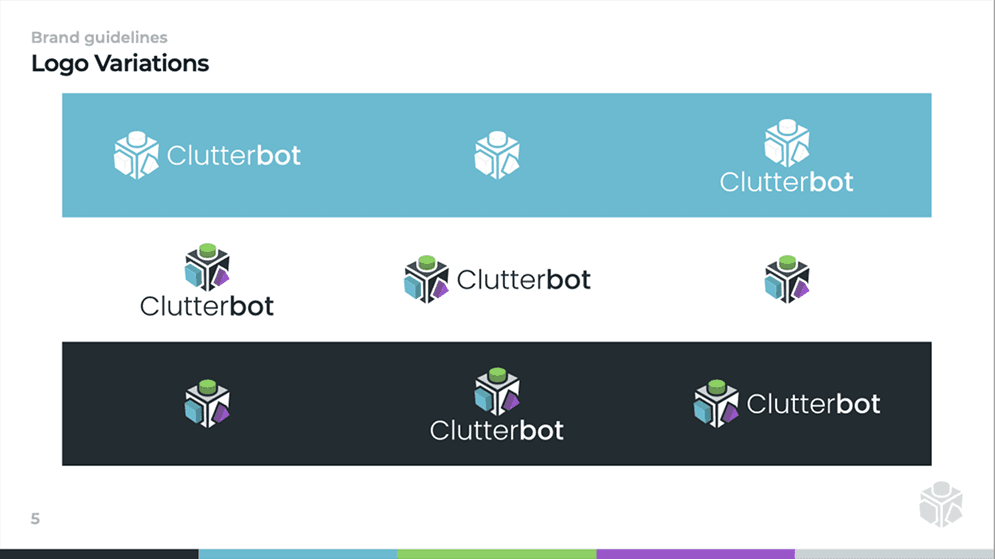
Clutterbot is a home robotics company focused on helping modern families manage household clutter. When the company was founded in 2020, a lean visual brand was created by an external designer to support its early-stage needs. While this identity served its purpose initially, it no longer reflected Clutterbot’s evolving vision, values, or ambitions.

As the company matured and prepared for its first product launch, the gap between the existing brand and where Clutterbot was headed became increasingly clear – creating an opportunity to redefine the brand in a way that aligned with its future direction.
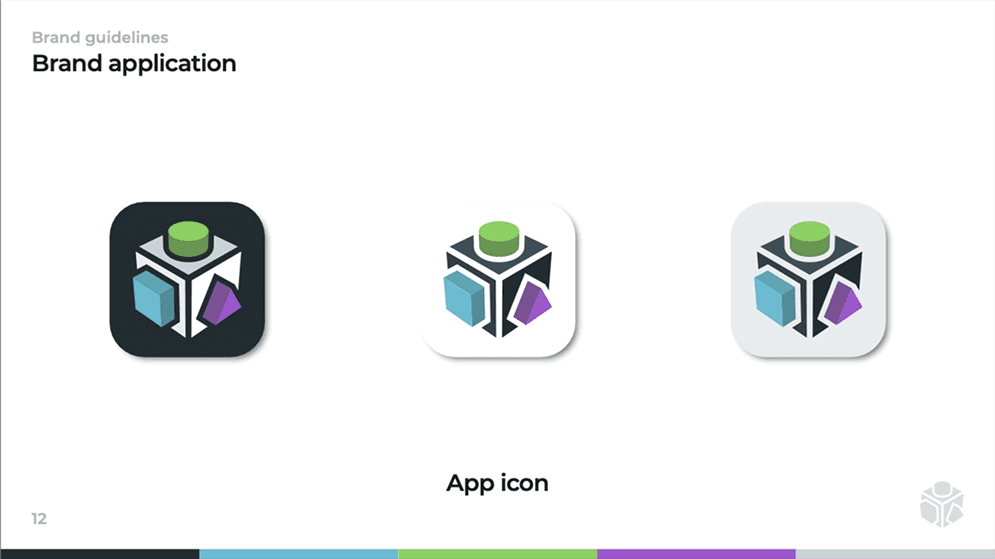
Clutterbot is a home robotics company focused on helping modern families manage household clutter. When the company was founded in 2020, a lean visual brand was created by an external designer to support its early-stage needs. While this identity served its purpose initially, it no longer reflected Clutterbot’s evolving vision, values, or ambitions.

As the company matured and prepared for its first product launch, the gap between the existing brand and where Clutterbot was headed became increasingly clear – creating an opportunity to redefine the brand in a way that aligned with its future direction.
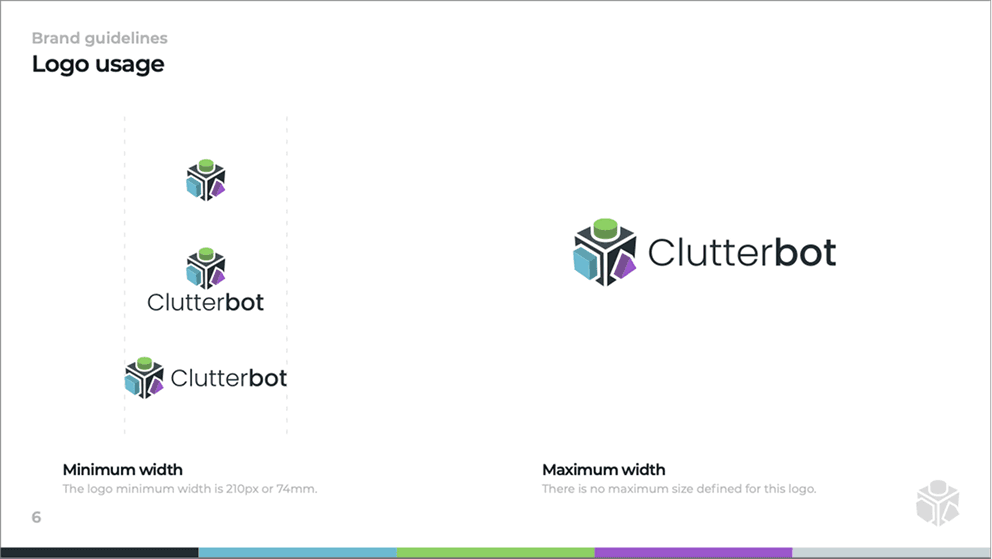
GOAL

Clutterbot needs a cohesive and compelling visual identity that reflects its vision and sets it up for growth

GOAL

Clutterbot needs a cohesive and compelling visual identity that reflects its vision and sets it up for growth

GOAL

Clutterbot needs a cohesive and compelling visual identity that reflects its vision and sets it up for growth

As we prepared for the launch of Clutterbot’s first product, the goal was to create a cohesive and compelling visual identity that could support both immediate market entry and long-term growth.

Specifically, the rebrand aimed to:

  • Drive initial sales and market adoption.

  • Ensure Clutterbot and its new robot product are perceived positively by the target audience.

  • Position Clutterbot as an innovative leader and respected authority in the home robotics space.

As we prepared for the launch of Clutterbot’s first product, the goal was to create a cohesive and compelling visual identity that could support both immediate market entry and long-term growth.

Specifically, the rebrand aimed to:

  • Drive initial sales and market adoption.

  • Ensure Clutterbot and its new robot product are perceived positively by the target audience.

  • Position Clutterbot as an innovative leader and respected authority in the home robotics space.

As we prepared for the launch of Clutterbot’s first product, the goal was to create a cohesive and compelling visual identity that could support both immediate market entry and long-term growth.

Specifically, the rebrand aimed to:

  • Drive initial sales and market adoption.

  • Ensure Clutterbot and its new robot product are perceived positively by the target audience.

  • Position Clutterbot as an innovative leader and respected authority in the home robotics space.

OUTPUT

A new visual identity for a growing company

OUTPUT

A new visual identity for a growing company

OUTPUT

A new visual identity for a growing company

AUDIENCE

Keeping our audience, the modern family, in mind

AUDIENCE

Keeping our audience, the modern family, in mind

AUDIENCE

Keeping our audience, the modern family, in mind

Clutterbot’s core audience is busy, dual-income parents with young children.

They are deeply committed to being engaged parents while also balancing demanding careers and active social lives.

With a strong appreciation for innovation and convenience, they seek out smart solutions that help reduce friction in everyday life.

Clutterbot’s core audience is busy, dual-income parents with young children.

They are deeply committed to being engaged parents while also balancing demanding careers and active social lives.

With a strong appreciation for innovation and convenience, they seek out smart solutions that help reduce friction in everyday life.

Clutterbot’s core audience is busy, dual-income parents with young children.

They are deeply committed to being engaged parents while also balancing demanding careers and active social lives.

With a strong appreciation for innovation and convenience, they seek out smart solutions that help reduce friction in everyday life.

THE DESIGN BRIEF

Setting a clear direction before designing

THE DESIGN BRIEF

Setting a clear direction before designing

THE DESIGN BRIEF

Setting a clear direction before designing

The design brief, set by our lead designer, included the following:

Our new brand should...

  • Feel premium, advanced, and approachable.

  • Foster trust, recognition, emotional connection, and inclusivity.

  • Position Clutterbot as a leader in home robotics, not just a startup.

  • Resonate with busy, tech-savvy parents.

  • Work across all touch points – digital, print, product, etc.

  • Be designed for growth: future products, names, and evolving markets.

  • Complement the already-existing product brand.

The design brief, set by our lead designer, included the following:

Our new brand should...

  • Feel premium, advanced, and approachable.

  • Foster trust, recognition, emotional connection, and inclusivity.

  • Position Clutterbot as a leader in home robotics, not just a startup.

  • Resonate with busy, tech-savvy parents.

  • Work across all touch points – digital, print, product, etc.

  • Be designed for growth: future products, names, and evolving markets.

  • Complement the already-existing product brand.

The design brief, set by our lead designer, included the following:

Our new brand should...

  • Feel premium, advanced, and approachable.

  • Foster trust, recognition, emotional connection, and inclusivity.

  • Position Clutterbot as a leader in home robotics, not just a startup.

  • Resonate with busy, tech-savvy parents.

  • Work across all touch points – digital, print, product, etc.

  • Be designed for growth: future products, names, and evolving markets.

  • Complement the already-existing product brand.

“Clutterbot should be bold, premium, and approachable, with a dynamic, energetic visual identity that's instantly recognisable, scalable, and future-ready. Avoid trends and clichés; focus on clarity, accessibility, and emotional connection.”

“Clutterbot should be bold, premium, and approachable, with a dynamic, energetic visual identity that's instantly recognisable, scalable, and future-ready. Avoid trends and clichés; focus on clarity, accessibility, and emotional connection.”

“Clutterbot should be bold, premium, and approachable, with a dynamic, energetic visual identity that's instantly recognisable, scalable, and future-ready. Avoid trends and clichés; focus on clarity, accessibility, and emotional connection.”

THE DESIGN PROCESS

Learning by doing, together

THE DESIGN PROCESS

Learning by doing, together

THE DESIGN PROCESS

Learning by doing, together

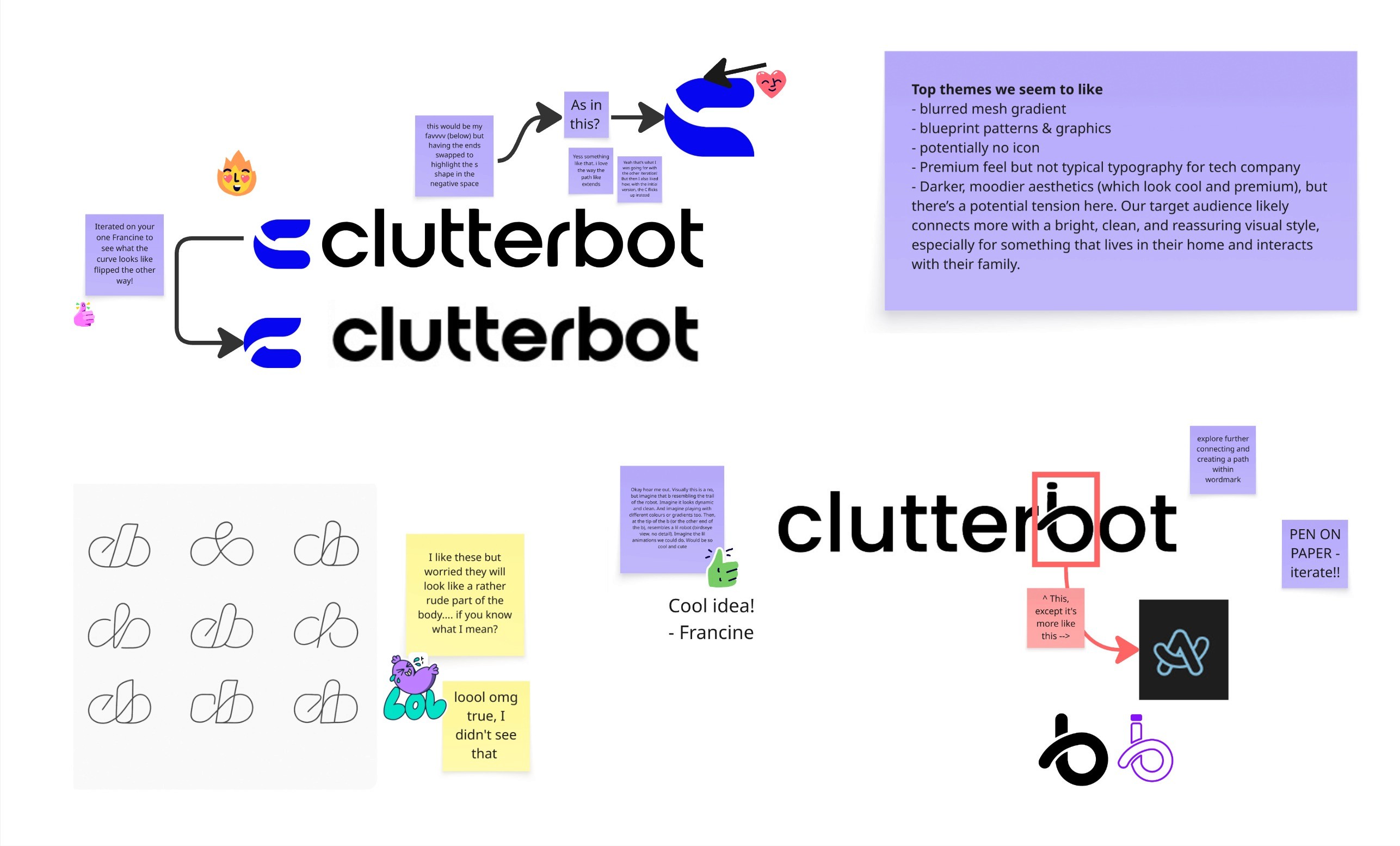
Four designers joined this project, each with a strong background in UX or Communications Design.

Although we were excited to dive in, none of us had professional experience building a brand from the ground up. This made the process experimental, collaborative, and full of learning.

To stay aligned and maintain momentum, we held frequent check-ins every other day to review design experiments, reflect on what worked and what didn’t, and align on the next steps – ensuring the team stayed coordinated and the project moved in a clear direction.
Four designers joined this project, each with a strong background in UX or Communications Design.

Although we were excited to dive in, none of us had professional experience building a brand from the ground up. This made the process experimental, collaborative, and full of learning.

To stay aligned and maintain momentum, we held frequent check-ins every other day to review design experiments, reflect on what worked and what didn’t, and align on the next steps – ensuring the team stayed coordinated and the project moved in a clear direction.

Four designers joined this project, each with a strong background in UX or Communications Design.

Although we were excited to dive in, none of us had professional experience building a brand from the ground up. This made the process experimental, collaborative, and full of learning.

To stay aligned and maintain momentum, we held frequent check-ins every other day to review design experiments, reflect on what worked and what didn’t, and align on the next steps – ensuring the team stayed coordinated and the project moved in a clear direction.

CHALLENGES

Designing a brand is hard without clarity

CHALLENGES

Designing a brand is hard without clarity

CHALLENGES

Designing a brand is hard without clarity

A major challenge we faced throughout the design process was navigating a high degree of uncertainty – both in terms of business goals and our understanding of the customer.​

Building a strong brand relies on knowing who you're speaking to, understanding their world, and defining how the company fits into it. Much of the insight we had about our customers was based on assumptions that hadn't yet been investigated with the target market in San Francisco, which made it difficult to design with confidence.​

We also didn’t yet know what the company planned to scale into – only that it would involve a range of home robotics products, beginning with a toy-tidying robot.​​

This meant the brand concepts we explored needed to be abstract enough to scale with an evolving company and its unknown future offerings, but not so abstract that they would lose clarity or impact.

A major challenge we faced throughout the design process was navigating a high degree of uncertainty – both in terms of business goals and our understanding of the customer.​

Building a strong brand relies on knowing who you're speaking to, understanding their world, and defining how the company fits into it. Much of the insight we had about our customers was based on assumptions that hadn't yet been investigated with the target market in San Francisco, which made it difficult to design with confidence.​

We also didn’t yet know what the company planned to scale into – only that it would involve a range of home robotics products, beginning with a toy-tidying robot.​​

This meant the brand concepts we explored needed to be abstract enough to scale with an evolving company and its unknown future offerings, but not so abstract that they would lose clarity or impact.

A major challenge we faced throughout the design process was navigating a high degree of uncertainty – both in terms of business goals and our understanding of the customer.​

Building a strong brand relies on knowing who you're speaking to, understanding their world, and defining how the company fits into it. Much of the insight we had about our customers was based on assumptions that hadn't yet been investigated with the target market in San Francisco, which made it difficult to design with confidence.​

We also didn’t yet know what the company planned to scale into – only that it would involve a range of home robotics products, beginning with a toy-tidying robot.​​

This meant the brand concepts we explored needed to be abstract enough to scale with an evolving company and its unknown future offerings, but not so abstract that they would lose clarity or impact.

THE FINAL DESIGN

Putting the brand in our audience’s hands

THE FINAL DESIGN

Putting the brand in our audience’s hands

THE FINAL DESIGN

Putting the brand in our audience’s hands

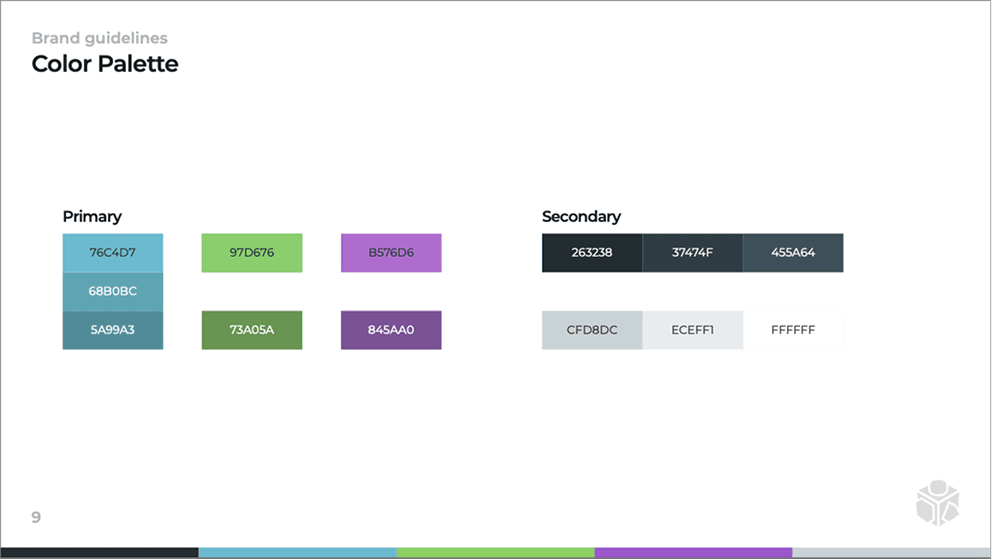
By the final week, the team had aligned on a colour palette and typeface but remained undecided on the logo. To inform the final decision, we surveyed 50 participants from our target demographic, asking them to review the proposed brand direction and evaluate multiple logo options within it.

The survey revealed the following insights:

  • The most commonly associated brand attributes were premium, trustworthy, and innovative – aligning with our intended brand positioning.

  • Alignment with our target brand attributes increased by 300% compared with the original branding.

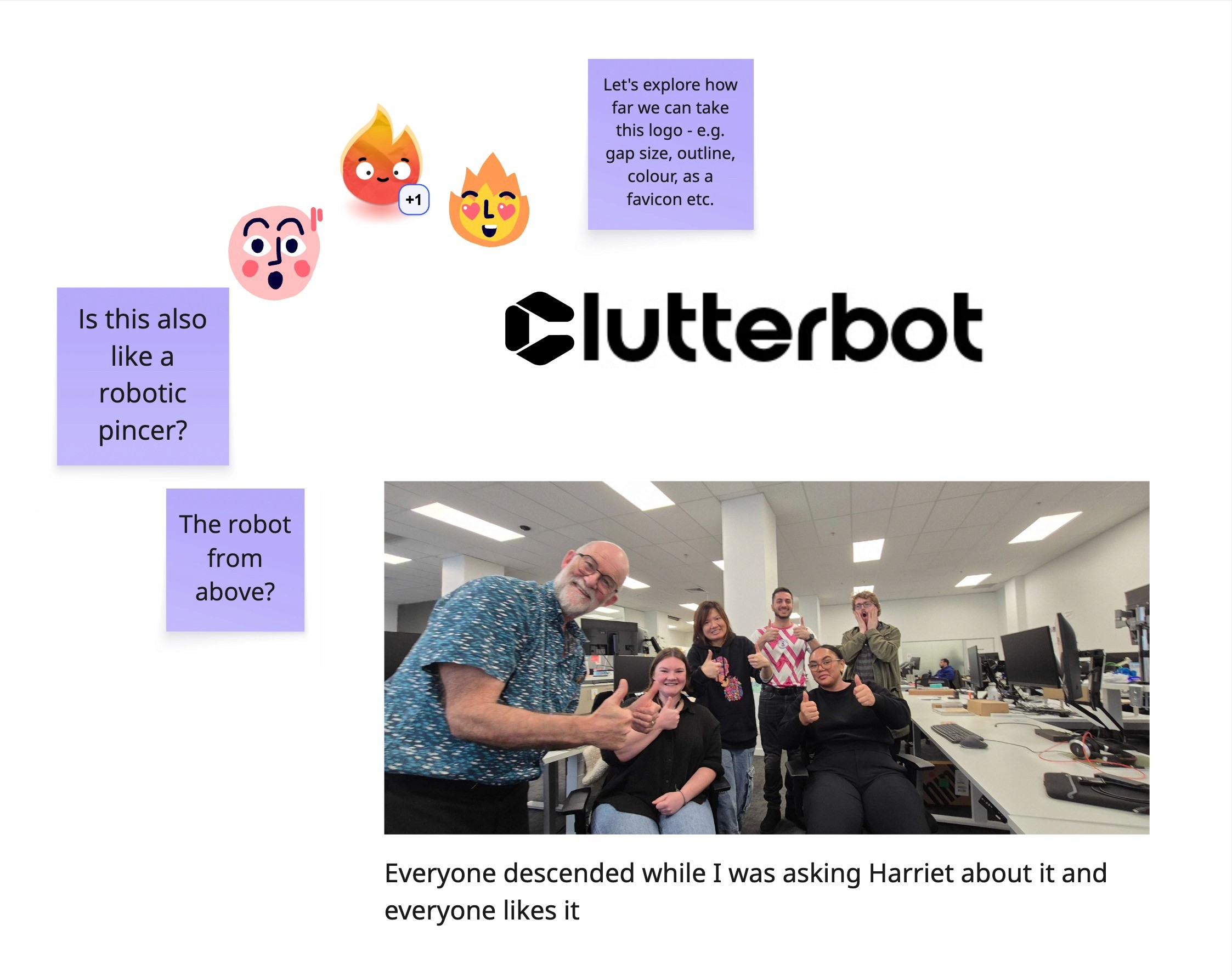
  • 58% of participants preferred the bold “C” monogram.

By the final week, the team had aligned on a colour palette and typeface but remained undecided on the logo. To inform the final decision, we surveyed 50 participants from our target demographic, asking them to review the proposed brand direction and evaluate multiple logo options within it.

The survey revealed the following insights:

  • The most commonly associated brand attributes were premium, trustworthy, and innovative – aligning with our intended brand positioning.

  • Alignment with our target brand attributes increased by 300% compared with the original branding.

  • 58% of participants preferred the bold “C” monogram.

By the final week, the team had aligned on a colour palette and typeface but remained undecided on the logo. To inform the final decision, we surveyed 50 participants from our target demographic, asking them to review the proposed brand direction and evaluate multiple logo options within it.

The survey revealed the following insights:

  • The most commonly associated brand attributes were premium, trustworthy, and innovative – aligning with our intended brand positioning.

  • Alignment with our target brand attributes increased by 300% compared with the original branding.

  • 58% of participants preferred the bold “C” monogram.

“The logo looks classy just like those used by huge companies. One can easily trust a company with this logo.”

“The logo looks classy just like those used by huge companies. One can easily trust a company with this logo.”

“The logo looks classy just like those used by huge companies. One can easily trust a company with this logo.”

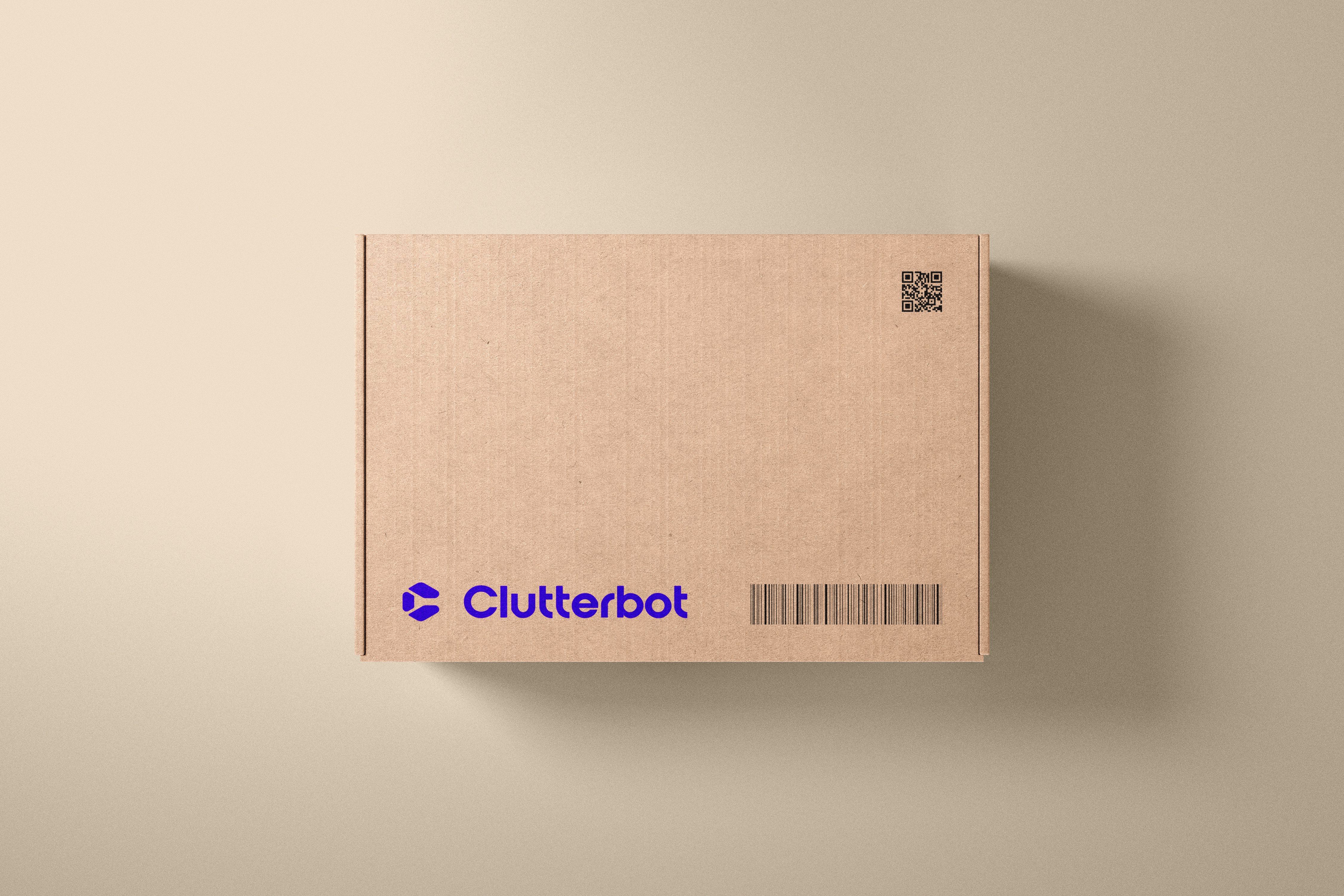
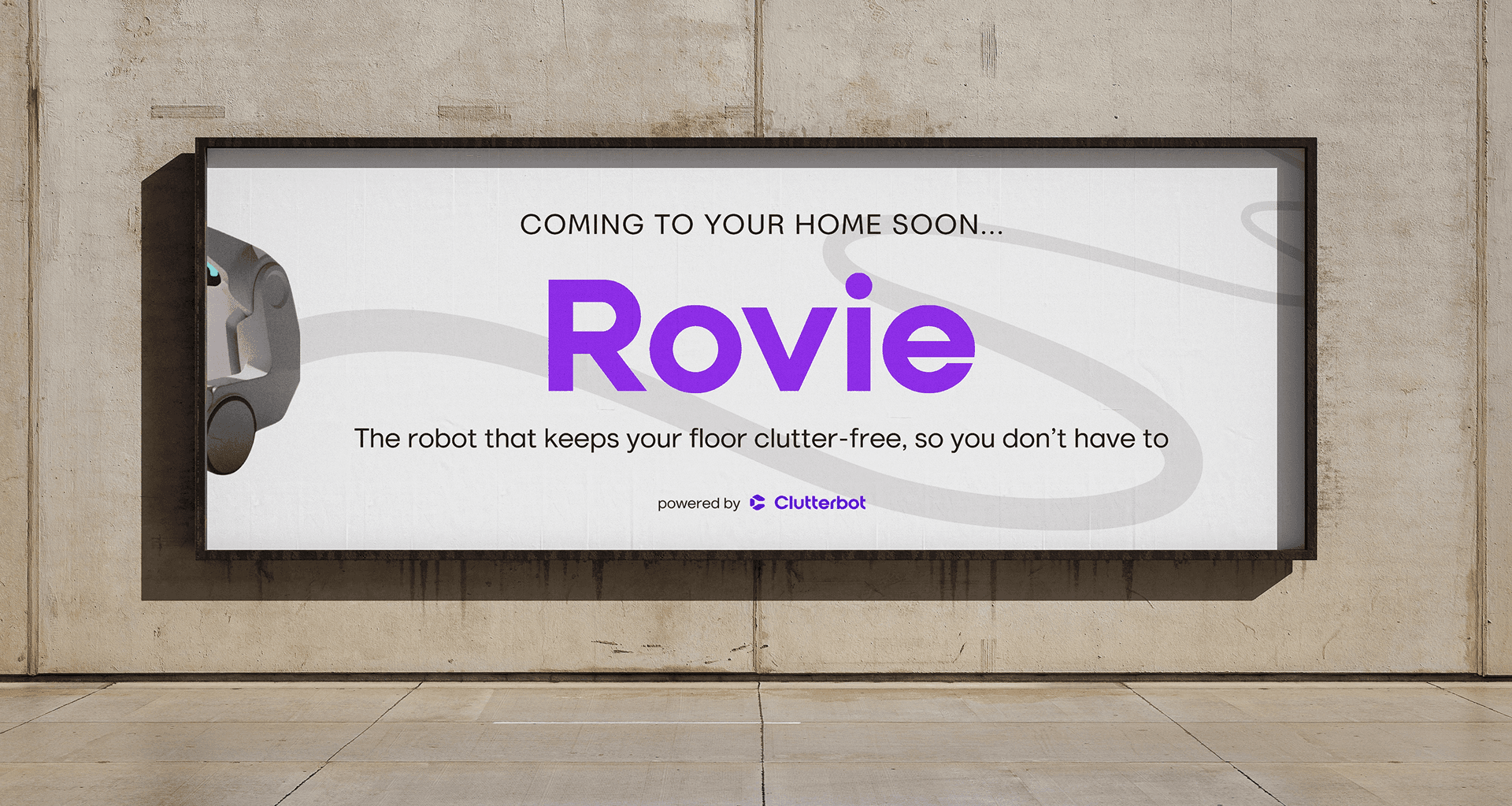
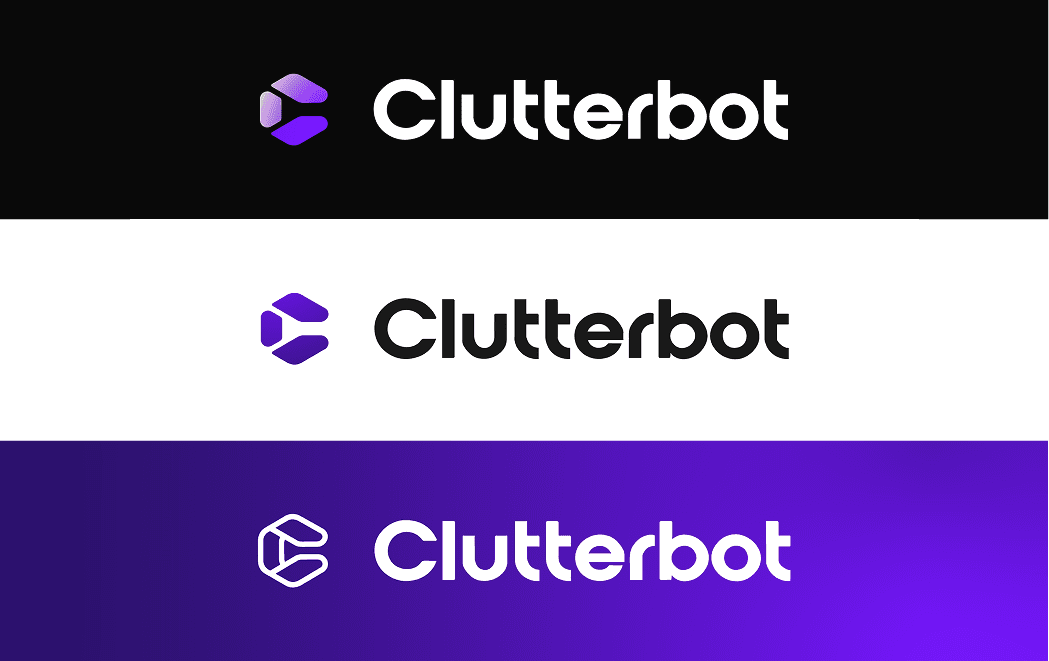
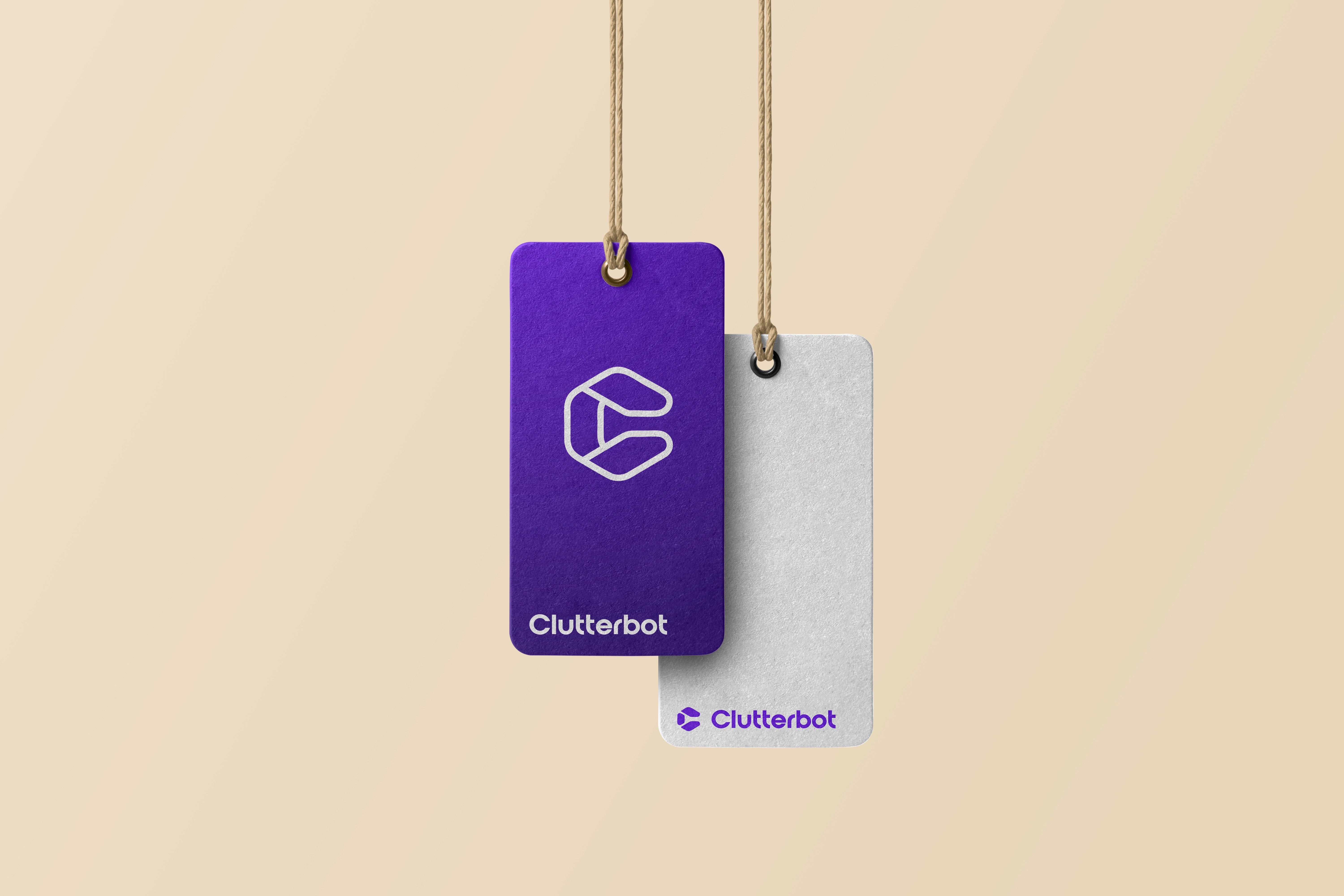
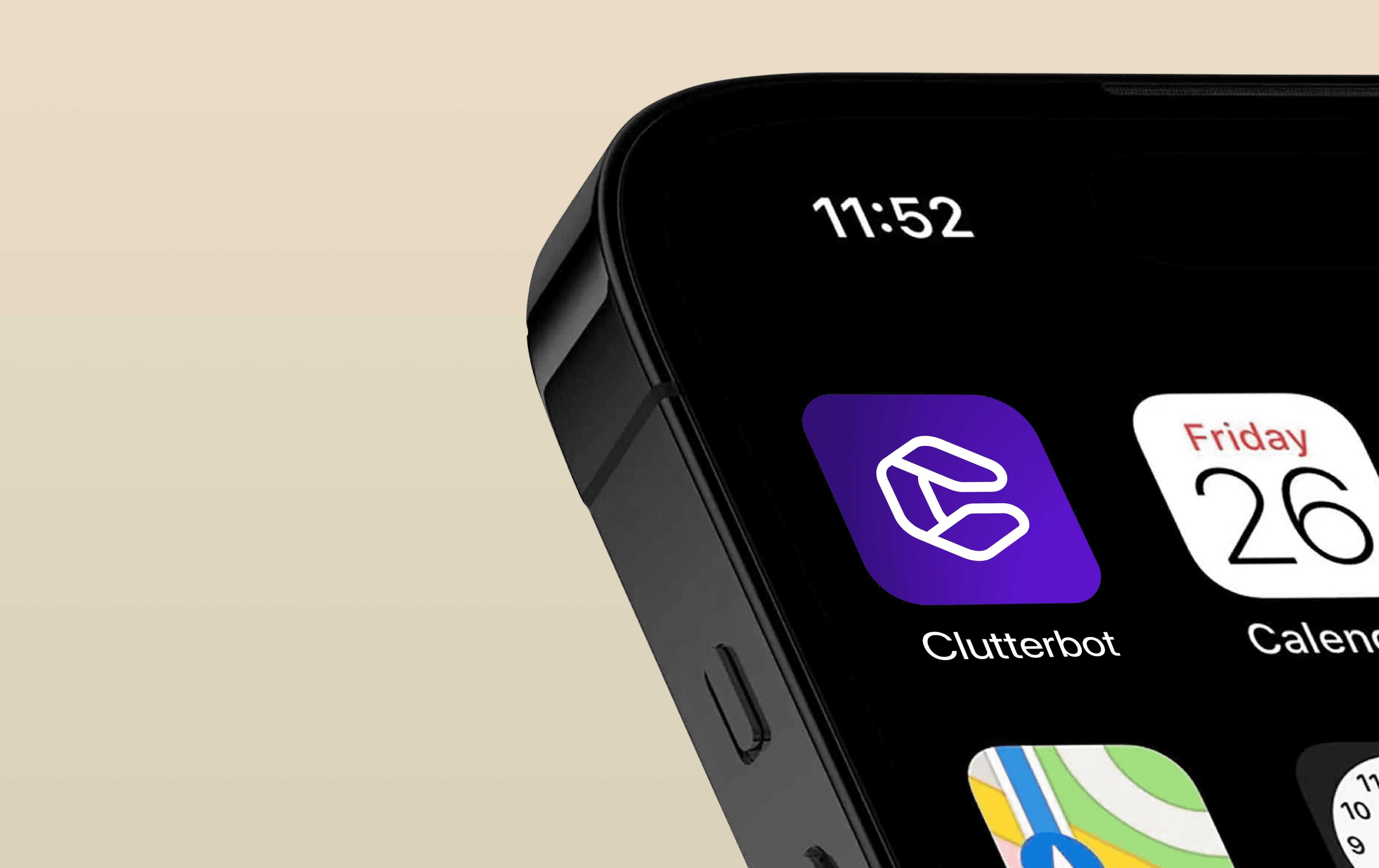
The recommended branding was presented as the new brand identity for Clutterbot.
The recommended branding was presented as the new brand identity for Clutterbot.
The recommended branding was presented as the new brand identity for Clutterbot.
REFLECTION

Don’t just iterate; iterate with intention

REFLECTION

Don’t just iterate; iterate with intention

REFLECTION

Don’t just iterate; iterate with intention

Prior to this project, I lacked confidence in my ability to contribute to brand design. Working alongside talented designers and being exposed to different creative approaches was both humbling and energising.

One of the most valuable lessons I took away was learning when to let go of an idea. Rather than forcing every concept to work, I learned to iterate with intention – exploring, assessing, reflecting, and following the direction that felt most cohesive and promising.

This shift in mindset helped me separate my sense of self-worth from individual design outcomes. Instead of viewing unresolved designs as personal failures, I learned to see them as signals to push further and refine my thinking. This experience has made me more confident, reflective, and deliberate in my design approach, and has influenced how I think about presenting my work moving forward.

Prior to this project, I lacked confidence in my ability to contribute to brand design. Working alongside talented designers and being exposed to different creative approaches was both humbling and energising.

One of the most valuable lessons I took away was learning when to let go of an idea. Rather than forcing every concept to work, I learned to iterate with intention – exploring, assessing, reflecting, and following the direction that felt most cohesive and promising.

This shift in mindset helped me separate my sense of self-worth from individual design outcomes. Instead of viewing unresolved designs as personal failures, I learned to see them as signals to push further and refine my thinking. This experience has made me more confident, reflective, and deliberate in my design approach, and has influenced how I think about presenting my work moving forward.

Prior to this project, I lacked confidence in my ability to contribute to brand design. Working alongside talented designers and being exposed to different creative approaches was both humbling and energising.

One of the most valuable lessons I took away was learning when to let go of an idea. Rather than forcing every concept to work, I learned to iterate with intention – exploring, assessing, reflecting, and following the direction that felt most cohesive and promising.

This shift in mindset helped me separate my sense of self-worth from individual design outcomes. Instead of viewing unresolved designs as personal failures, I learned to see them as signals to push further and refine my thinking. This experience has made me more confident, reflective, and deliberate in my design approach, and has influenced how I think about presenting my work moving forward.

Thanks for coming by!

I’m always up for connecting with new people, so feel free to get in touch.

Thanks for coming by!

I’m always up for connecting with new people, so feel free to get in touch.

Thanks for coming by!

I’m always up for connecting with new people, so feel free to get in touch.